

Bankruptcy for Small Businesses in NY and NJ: Legal Options
Introduction
Bankruptcy for small businesses in New York and New Jersey is a legal framework designed to help business owners manage overwhelming debt, creditor pressure, or prolonged financial instability. Many entrepreneurs delay taking action while hoping revenues will improve, even as liabilities continue to grow. Federal bankruptcy law provides structured solutions that may allow a business to reorganize, continue operating, or close in an orderly and legally compliant manner.
Although bankruptcy law is federal, its application can differ depending on whether a case is filed in New York or New Jersey. State-specific exemptions, asset protection rules, and procedural requirements may significantly affect the outcome. Understanding these differences early helps business owners protect remaining assets, reduce personal exposure, and avoid preventable legal mistakes.
What Is Considered a Small Business in Bankruptcy?
For bankruptcy purposes, a small business may include:
- Sole proprietorships
- Single-member or family-owned LLCs
- Closely held corporations
- Independent contractors
- Self-employed professionals
The legal structure of the business plays a critical role in bankruptcy outcomes. Corporations and LLCs are treated differently from sole proprietorships, especially when personal guarantees or shared finances are involved.
Bankruptcy Options for Small Businesses in New York and New Jersey
Chapter 7: Business Liquidation
Chapter 7 bankruptcy is generally used when a business is no longer financially viable.
- Business operations typically cease
- Business assets are liquidated by a trustee
- Proceeds are distributed to creditors
For corporations and LLCs, Chapter 7 does not discharge the owner’s personal debts unless no personal guarantees exist. For sole proprietors, business and personal debts are often handled together in the same filing.
This option is most appropriate when there is no realistic path to recovery and an orderly legal closure is required.
Chapter 11 Subchapter V: Small Business Reorganization
Chapter 11 Subchapter V was created specifically for small businesses and has become a powerful tool for restructuring commercial debt.
- Allows continued business operations
- Provides court-supervised debt reorganization
- Offers faster timelines and lower costs than traditional Chapter 11
This option is commonly used by businesses that remain viable but need immediate relief from creditor pressure to stabilize cash flow.
Chapter 13: Option for Owners and Self-Employed Individuals
Chapter 13 bankruptcy is not available to corporations or LLCs, but it may be used by:
- Sole proprietors
- Freelancers
- Independent professionals
Chapter 13 allows eligible individuals to reorganize personal and business-related debts into a structured repayment plan lasting three to five years.
- Protection from collection actions
- Predictable monthly payments
- Retention of certain assets
Are Bankruptcy Laws Different Between New York and New Jersey?
Bankruptcy law is federal, meaning the core rules apply nationwide. However, New York and New Jersey differ in key areas, including:
- State exemption systems
- Homestead and asset protection limits
- Procedural and filing considerations
Choosing the correct jurisdiction and exemption strategy can significantly affect what property a business owner may keep. A legal review before filing is essential in both states.
Does Business Bankruptcy Affect the Owner Personally?
The impact of business bankruptcy on the owner depends on several factors, including:
- The business’s legal structure
- Personal guarantees on loans, leases, or credit lines
- Use of personal credit cards for business expenses
In both New York and New Jersey, many small business owners remain personally liable for certain obligations even when the business files for bankruptcy.
Common Mistakes Business Owners Make Before Filing Bankruptcy
- Mixing personal and business finances
- Transferring assets without legal guidance
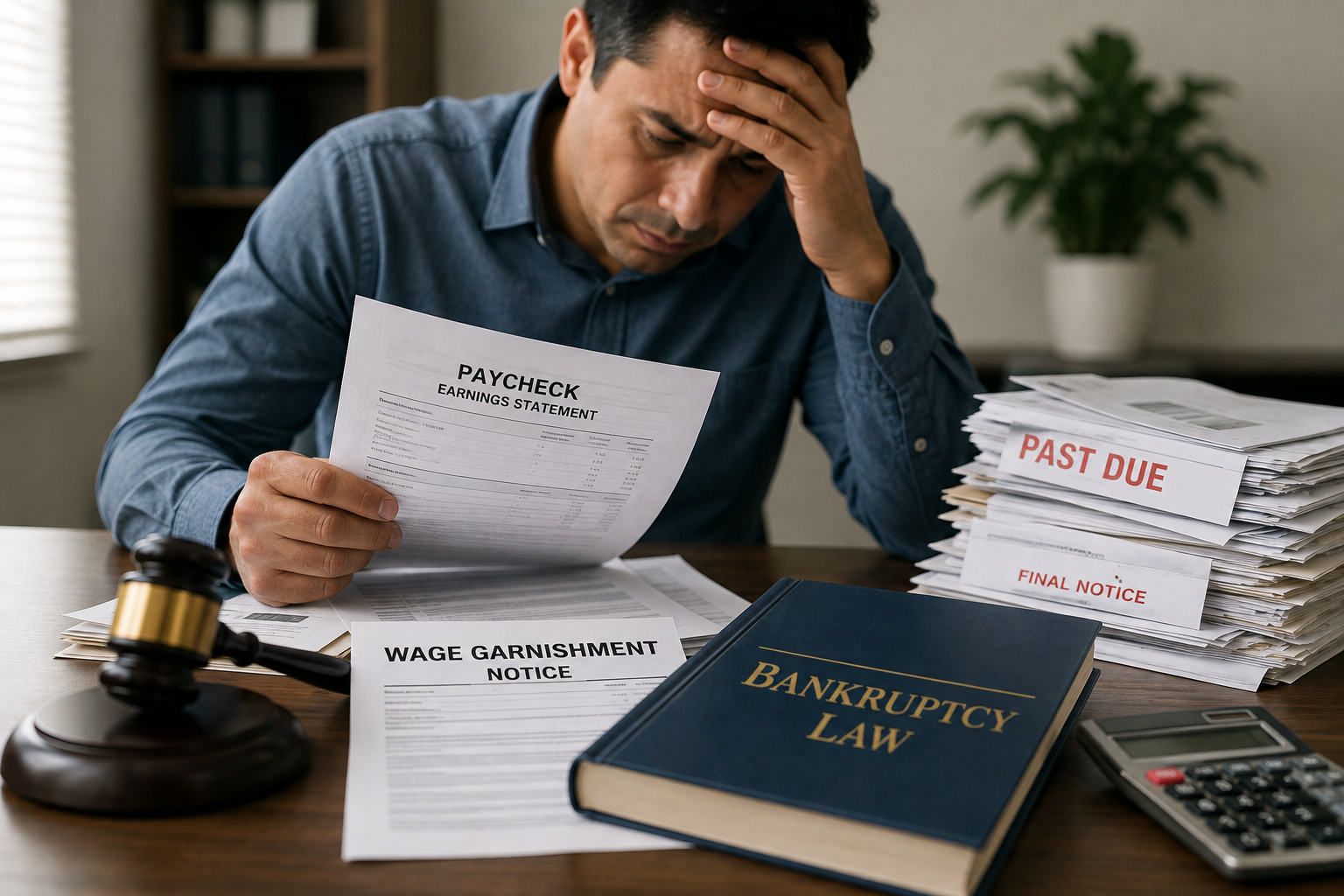
- Waiting until lawsuits or garnishments begin
- Closing a business without understanding legal consequences
Frequently Asked Questions (FAQ)
Can I close my business and file for bankruptcy later?
Yes, but timing matters. Improper closure can create additional liability in both New York and New Jersey.
Does bankruptcy eliminate vendor or supplier debt?
In many cases, yes, depending on the bankruptcy chapter and the nature of the debt.
What happens to business tax debt?
Some business taxes cannot be discharged, while others may be reorganized under a repayment plan.
Can I start a new business after bankruptcy?
Yes. Bankruptcy does not prohibit starting a new business, but proper planning is essential.
Do I need an attorney for small business bankruptcy?
An attorney is not legally required, but professional guidance is strongly recommended due to the complexity of these cases.
Conclusion and Call to Action
Bankruptcy for small businesses in New York and New Jersey does not automatically signal failure. In many cases, it is a strategic legal tool that allows business owners to regain control, reduce financial pressure, and move forward with clarity. Selecting the correct bankruptcy chapter and filing strategy can protect both the business and the owner from unnecessary long-term consequences.
Speaking with an experienced bankruptcy attorney licensed in New York and New Jersey can help you evaluate your options, understand state-specific rules, and avoid costly mistakes before taking action.
Pagán López Law – Office HQ
96-04 Northern Boulevard
Corona, NY 11368
Phone: (646) 216-8881
WhatsApp: (347) 434-3041
Email: info@paganlopezlaw.com
Attorney Advertising
This post is for informational purposes only and does not constitute legal advice. Outcomes vary by case. Consult a qualified attorney before filing.