

Can Bankruptcy Help with Child Support Arrears? This is How Chapter 7 and Chapter 13 Can Help You
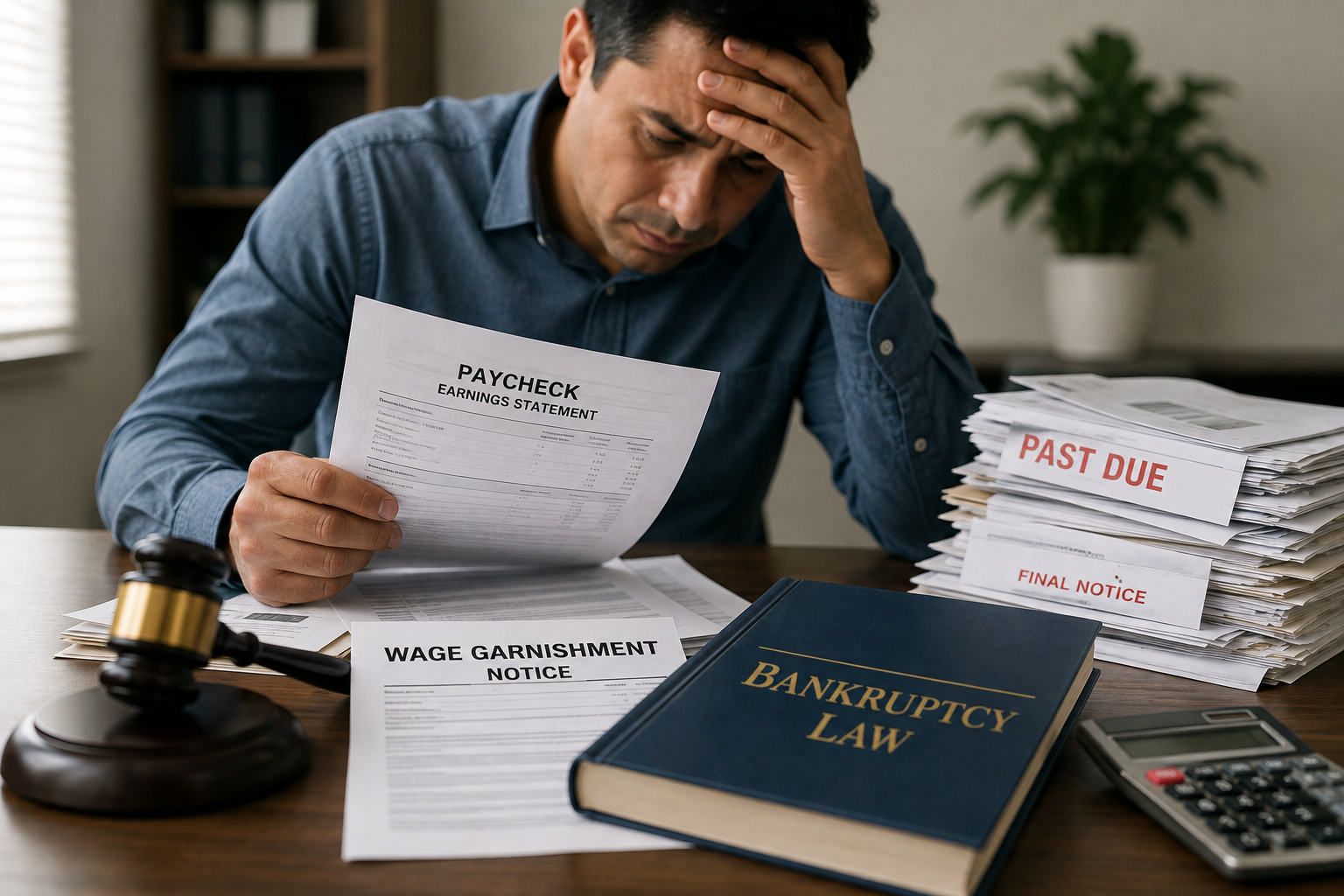
If you’re facing child support arrears and dealing with overwhelming debt, you’re not alone. Many parents in this situation ask: Can bankruptcy help? Will it stop wage garnishment or give me time to catch up?
The answer is: Bankruptcy can’t erase child support—but it can offer you critical tools to manage your financial challenges more effectively. Let’s break down what the law says, how Chapter 7 and Chapter 13 bankruptcy work, and how to move forward strategically.
Are Child Support Arrears Dischargeable in Bankruptcy?
No. Under 11 U.S.C. § 523(a)(5), child support arrears are considered a domestic support obligation and are non-dischargeable in bankruptcy.
This means:
- You must continue paying all child support owed—both current and past-due.
- Bankruptcy cannot eliminate your child support arrears or ongoing obligations.
💡 Want to learn more about which debts can be discharged? Check out our [Complete Guide to Dischargeable Debts] for essential insights.
Chapter 7 Bankruptcy and Child Support Arrears: Can It Stop Collections?
Chapter 7 bankruptcy helps wipe out certain unsecured debts like credit cards and medical bills—but it offers very limited protection when it comes to child support:
- You remain fully responsible for paying your child support obligations.
- Wage garnishment or lawsuits related to child support can continue even during your case.
- The automatic stay (which usually stops collection efforts) does not apply to child support enforcement.
While Chapter 7 may help free up funds by discharging other debts, it cannot stop collection efforts for child support arrears.
Chapter 13 Bankruptcy: A Path to Catch Up on Child Support Arrears
If you have regular income, Chapter 13 bankruptcy might be a better option to address child support arrears. Here’s why:
- It allows you to propose a 3–5 year repayment plan, approved by the bankruptcy court.
- You can include 100% of your child support arrears in that plan.
- Enforcement actions, such as wage garnishments, may be paused while the plan is active.
- You must stay current on ongoing monthly child support during the case.
⚠️ Important: If you miss current payments during your case, your Chapter 13 could be dismissed, so it’s crucial to follow the plan.
Chapter 7 vs. Chapter 13: Which Fits Your Situation?
| Feature | Chapter 7 Bankruptcy | Chapter 13 Bankruptcy |
| Discharge of debts | ✅ Yes (excluding child support) | ❌ No (but reorganizes repayment) |
| Stops child support collections? | ❌ No | ✅ Temporarily (on arrears) |
| Best for… | Lower income, minimal assets | Regular income, need time to catch up |
| Repays child support arrears? | ❌ No | ✅ Yes, through repayment plan |
Already comparing options? Check out our [Guide to Choosing Between Chapter 7 and Chapter 13] for a deeper dive.
Real Talk: Bankruptcy Isn’t a Magic Wand—but It Can Be a Lifeline
We understand the stress of juggling child support arrears, rent, bills, and daily expenses. Bankruptcy may not erase your obligations, but it can create breathing room to help you get back on track.
At Pagan Lopez Law, we help clients restructure their finances while honoring their responsibilities. Our goal is to empower you to build a stronger financial future.
👉 Book your free consultation today to discuss bankruptcy solutions for child support arrears. Let’s explore the best path for your family’s financial stability. Click here.