

USCIS Pauses Asylum and Benefits: January 2026 Policy Update
In January 2026, U.S. Citizenship and Immigration Services issued a policy directive that quietly reshaped how thousands of immigration cases will move forward. This update, commonly known as the USCIS asylum hold policy memorandum, instructs officers to pause all pending asylum applications and place additional holds on certain immigration benefits filed by individuals from designated high-risk countries.
For many immigrants, this news arrived through rumors and social media, creating confusion and fear. Are cases being denied. Is this a new law. Will people lose their status.
The truth is more nuanced. This is not a law passed by Congress. It is an internal USCIS policy that changes how certain cases are processed. Understanding what this update really does and what it does not do can help applicants protect their rights and avoid costly mistakes.
What the USCIS Memo Does
The January 2026 update directs USCIS personnel to:
-
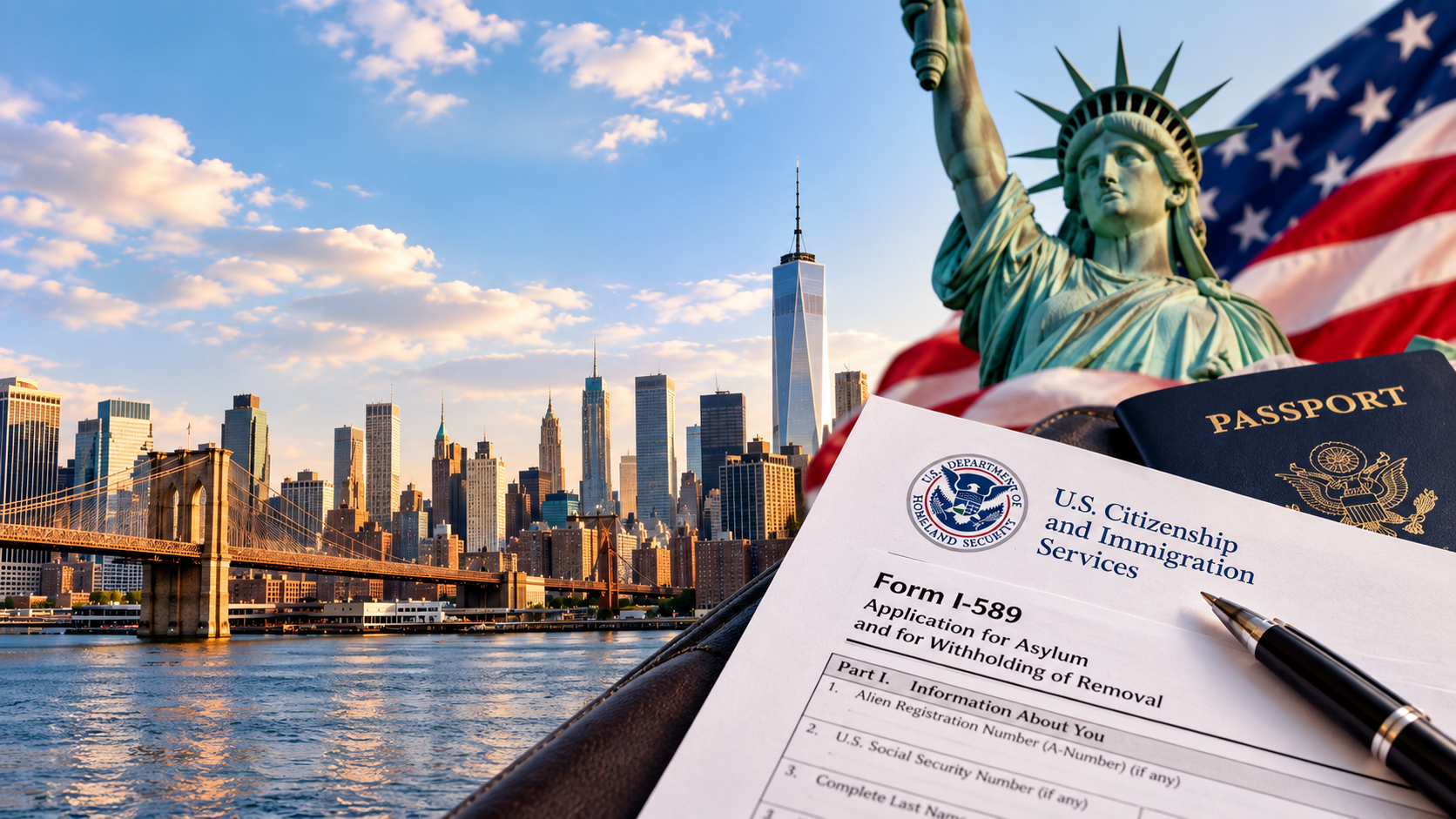
Place a hold on all pending asylum applications (Form I-589)
-
Place a hold on certain immigration benefit requests filed by individuals from designated high-risk countries
-
Re-review some previously approved cases involving individuals from those countries
-
Require interviews or re-interviews that might otherwise be waived
-
Prioritize national security concerns over processing speed
These holds remain in effect until lifted by USCIS leadership.
Who Is Affected
Two major groups are impacted.
1. All Asylum Applicants
Every pending asylum case is subject to a pause while USCIS reviews its internal procedures.
2. Applicants from High-Risk Countries
Individuals born in or holding citizenship from certain countries may face additional delays or re-reviews for benefits such as:
-
Adjustment of Status (green card)
-
Travel documents
-
Removal of conditions
-
Replacement of permanent resident cards
-
Other USCIS benefits
This applies even to applications filed years ago.
Countries Affected by the USCIS Hold Policy (January 2026 Update)
USCIS applies this policy to individuals from countries designated under federal security directives. These countries fall into two categories.
Full Entry Restrictions
-
Afghanistan
-
Burma (Myanmar)
-
Chad
-
Republic of the Congo
-
Equatorial Guinea
-
Eritrea
-
Haiti
-
Iran
-
Libya
-
Somalia
-
Sudan
-
Yemen
Partial Entry Restrictions
-
Burundi
-
Cuba
-
Laos
-
Sierra Leone
-
Togo
-
Turkmenistan
-
Venezuela
If your country appears on this list and you have a pending immigration application, your case may be subject to extended review, mandatory interviews, or temporary holds.
What This Policy Does Not Mean
This update does not:
-
Automatically deny asylum cases
-
Create a new immigration law
-
Order deportations
-
Cancel lawful status
-
Eliminate eligibility for benefits
It changes how USCIS processes cases, not who qualifies under immigration law.
Why USCIS Issued This Update
USCIS cites national security concerns and recent incidents involving individuals who entered the United States and later posed safety risks. The agency states that it must ensure:
-
Identities are fully verified
-
Applicants are properly vetted
-
Potential risks are addressed
In short, USCIS is choosing thoroughness over speed, even if it results in longer wait times.
What Applicants Can Expect
Many applicants may experience:
-
Longer processing times
-
Additional interviews
-
Requests for more evidence
-
Periods of uncertainty
Cases that once moved quietly may now receive heightened scrutiny.
Why Legal Guidance Matters More Than Ever
When rules change, mistakes become expensive. Missing a notice, misunderstanding a request, or submitting incomplete information can place your case at risk.
An immigration attorney can help:
-
Track deadlines and case status
-
Prepare for interviews
-
Respond to requests for evidence
-
Identify risks early
-
Protect your legal position
This is not about panic. It is about preparation in a system that has become more complex and less predictable.
Frequently Asked Questions
Is USCIS denying all asylum cases now.
No. Cases are paused for review, not denied.
Does this apply only to certain countries.
All asylum cases are paused. Additional holds apply to applicants from designated high-risk countries.
Is this a new law.
No. It is an internal USCIS policy update.
Will my approved case be reopened.
Some previously approved cases involving individuals from high-risk countries may be re-reviewed.
Should I speak with an attorney.
If your case is pending or delayed, legal guidance can help you navigate these changes.
Conclusion
The January 2026 USCIS update marks a shift in how asylum and certain immigration benefits are processed. While it does not change immigration law, it changes reality. More review. More scrutiny. More waiting.
In a system that evolves quickly and grows more technical, clarity becomes protection. Understanding what is happening and what your options are can prevent costly missteps.
Pagán López Law – Office HQ
96-04 Northern Boulevard
Corona, NY 11368
Phone: (646) 216-8881
WhatsApp: (347) 434-3041
Email: info@paganlopezlaw.com
Attorney Advertising
This post is for informational purposes only and does not constitute legal advice. Outcomes vary by case. Consult a qualified attorney before taking action.