


Will Bankruptcy Affect My Immigration Process?
For many immigrants in the U.S., financial stress often overlaps with the complexities of their immigration journey. It’s natural to wonder:
“If I file for bankruptcy, will it affect my green card, citizenship, or work permit?”
The Short Answer: Bankruptcy Alone Does NOT Harm Your Immigration Process
Filing for bankruptcy is a civil financial matter — not a criminal offense. U.S. immigration agencies like USCIS do not deny green cards, citizenship, or work permits solely because you filed for bankruptcy.
You can still apply for:
-
A Green Card (Adjustment of Status)
-
Naturalization (U.S. Citizenship)
-
Work Permits (EAD)
However, while bankruptcy itself is not a disqualifier, certain mistakes made during the process can create immigration complications.
3 Ways Bankruptcy Can Indirectly Affect Immigration
-
Hiding Assets or Committing Fraud
Bankruptcy requires full honesty. If you hide property or misrepresent your income, it may be considered fraud — something that can harm both your bankruptcy and immigration case. -
Failure to Pay Taxes or Child Support
USCIS checks for good moral character. Owing back taxes or failing to meet child support obligations (without a payment plan) could raise red flags. -
Criminal History
If your debt issues stem from criminal behavior (e.g. identity theft, fraud, tax evasion), this could severely impact your immigration standing.
👉 Related reading: Top 7 Bankruptcy Mistakes That Could Cost You Everything
Will It Affect My Green Card or Citizenship Process?
In most cases, no. USCIS doesn’t ask “Have you filed for bankruptcy?” on immigration forms.
But they do look at:
-
Whether you pay taxes
-
Whether you support your dependents
-
Whether you demonstrate financial responsibility
-
Whether you’re honest and transparent
So, if your bankruptcy is handled correctly and honestly, it’s not a negative factor. In fact, it may help you regain financial control and meet requirements like supporting your household.
👉 Learn more: What Happens After the 341 Meeting?
Does Bankruptcy Affect Work Permits (EAD)?
Generally, no. USCIS doesn’t consider bankruptcy when reviewing applications for Employment Authorization Documents (EAD).
But… if your financial history includes unpaid taxes or court judgments, those can create delays. Bankruptcy might help resolve those debts, which can actually strengthen your case.
Bankruptcy Can Help Immigrants Too
Bankruptcy isn’t just damage control — it’s often a fresh start that helps you:
-
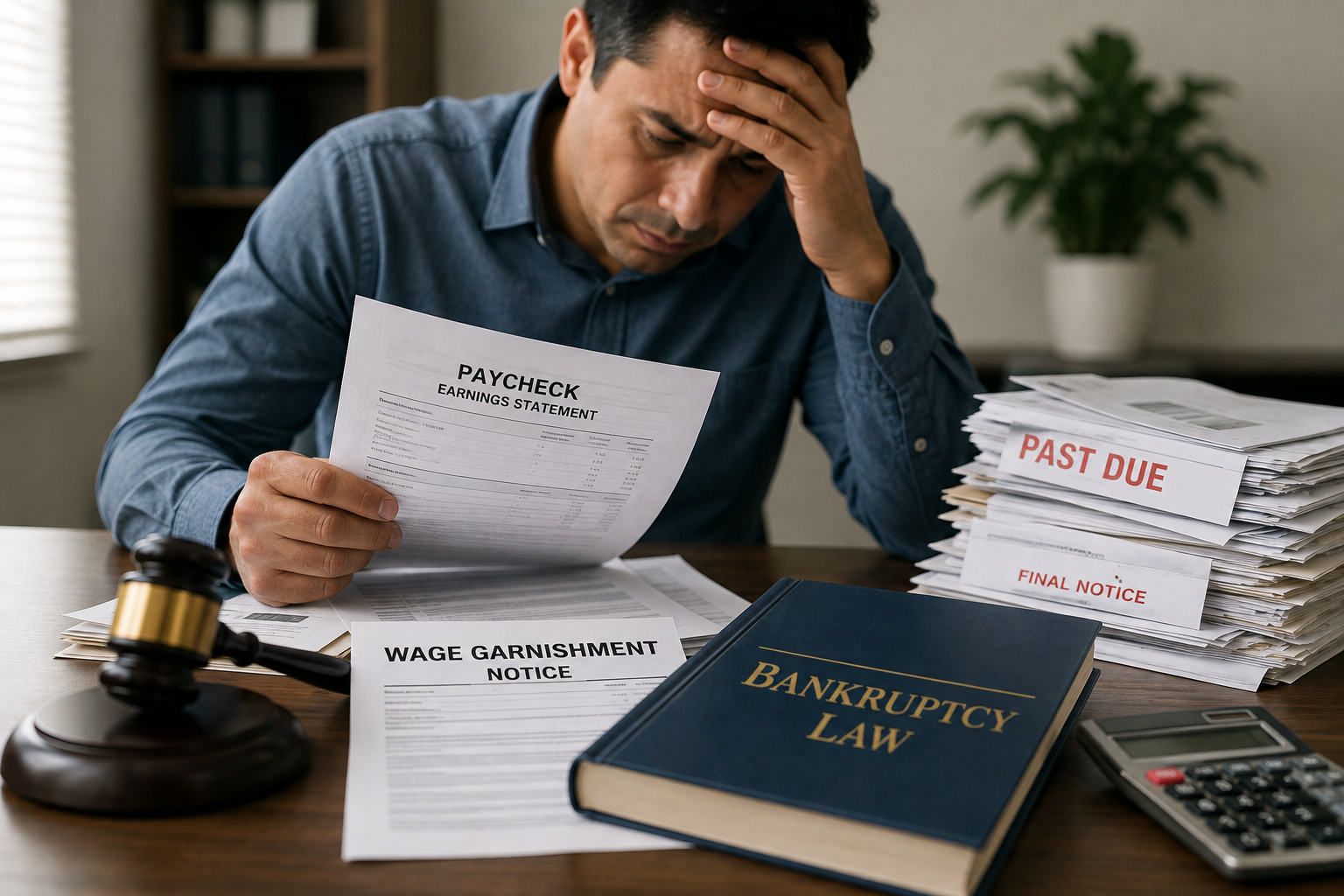
Stop wage garnishments
-
Avoid eviction or foreclosure
-
Eliminate credit card or medical debt
-
Free up resources to pay immigration fees
With less financial stress, you’re more likely to meet the obligations that immigration expects from you.
Bottom Line
✅ Bankruptcy doesn’t block your path to legal status.
🚫 But filing the wrong way could.
That’s why it’s critical to work with a legal team that understands both bankruptcy and immigration implications.
📞 Schedule a Free Consultation
If you’re struggling with debt and worried about your immigration future, let’s talk. We’ve helped hundreds of immigrants just like you find peace of mind and a fresh start.
📍 Pagán López Law
96-04 Northern Boulevard
Corona, NY 11368
📞 (646) 216‑8881
📱 WhatsApp: (347) 434‑3041
✉️ info@paganlopezlaw.com
🌐 www.paganlopezlaw.com
Schedule Your Free Consultation!!